CorDev Corporate Development Telekom Business Partner

A real problem. The right specialists.

Too fewdefect images for AI?

Good parts are common, real defects are rare. We assess whether targeted data collection, anomaly detection or synthetic defect images can support your inspection project.

Assess your data situation Initially free
and non-binding
No account requiredThe method can remain open
Aaron ScallaAaron ScallaManaging Director, CorDev GmbH
Inspection principleAdd data. Evaluate on new real images.
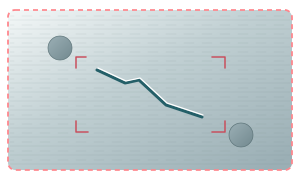
Schematic principle, not to scale. The drawings explain the inspection task; performance must be validated on real components. See the detailed principle ↓
You describe the problem. We clarify the next technical step.Component → objective → suitable specialist

Your starting point

Is your dataset holding the project back?

Share page
LinkedInWhatsAppFacebookE-Mail
01

Rare defects

Important classes have few or no useful images.
02

Unrepresentative images

Variants, illumination or actual production conditions are missing.

03

Tests look too good

Development and evaluation use the same or very similar images.

The inspection principle
Add data. Evaluate on new real images.

Schematic · not to scale

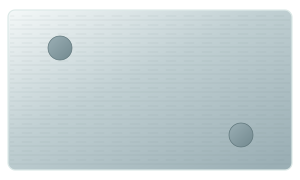
Real source images

Schematic source image, not an actual training record.

Synthetic defect variants

Drawn synthetic examples support the explanation of data provenance.

Development & training

Match the approach to the data and defect task.
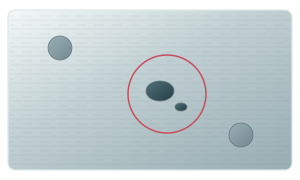
Separate from development and generation

Independent real test

Hold real good and defective test images separate from development and generation.
Evaluate missed defects and false rejects separately.

Schematic principle, not to scale. The drawings explain the inspection task; performance must be validated on real components.

A practical technical start

Match the approach to the data.

The defect task and honest evaluation on held-out real images are decisive.

Collect targeted data
Which defects or variants are missing, and can they be captured on real samples or agreed trials?
Detect anomalies
Are good images representative? Can relevant defects be separated from acceptable variation?
Add synthetic data
Are generated defects physically plausible, and do they improve detection on independent real images?

What happens next

A clear next step for your inspection task.

  1. 01

    Describe the problem

    A short description is enough to begin. Add photos or requirements if available.

  2. 02

    Clarify the task

    CorDev clarifies open questions with you and identifies the support your task needs.

  3. 03

    Agree the next step

    We agree the involvement of suitable specialists with you. Testing or a pilot requires a separate agreement.

Your inspection task

What do you need to establish on your component?

Describe what you observe and what you want to achieve. You do not need to know the right technology yet.

Aaron Scalla
Aaron ScallaYour contact at CorDev

TopicToo few defect images for AI inspection

Initially free and non-binding. No account required.

Add files, timing or technical details
Add further requirements
Open the full technical request form ↗

Your request goes to CorDev first. We agree any transfer to suitable specialists with you. A request is not a paid order. Privacy

* Required fields

Before you ask

Frequently asked questions.

How many defect images do we need?

There is no universal minimum. Defects, variation, image quality and the method determine the need.

Can synthetic images replace real defects?

They can support development. Their benefit must be demonstrated on independently captured real good and defective images.

Can we start with good images?

Some anomaly approaches support this. Representative good images and real defect examples remain important for evaluating relevant failures.

Does submitting create a paid order?

No. Paid work requires a separate, express agreement.

Technical background