Scratches and grooves
Visibility changes with surface finish and lighting angle.


A real problem. The right specialists.
Scratches, pits or unusual textures are missed or assessed inconsistently? We clarify which features matter and how to make them visible under your production conditions.
 Aaron ScallaManaging Director, CorDev GmbH
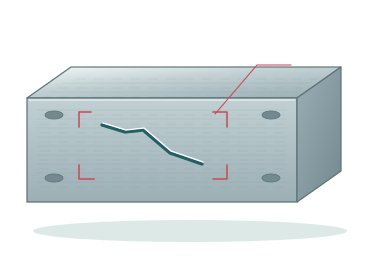
Visibility changes with surface finish and lighting angle.
Local defects must be separated from acceptable texture and contamination.
The boundary between acceptable variation and relevant defects is unclear.
The inspection principle
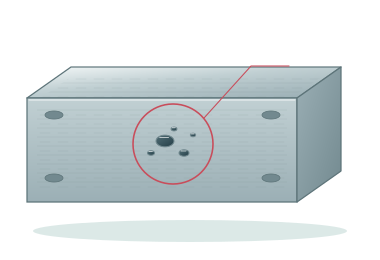
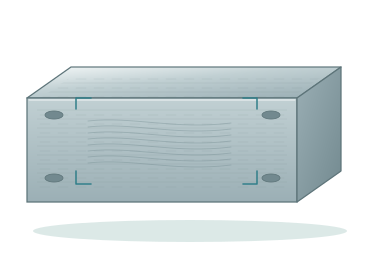
Schematic principle, not to scale. The drawings explain the inspection task; performance must be validated on real components.
A practical technical start
Representative images and an agreed defect catalogue are the starting point.
What happens next
A short description is enough to begin. Add photos or requirements if available.
CorDev clarifies open questions with you and identifies the support your task needs.
We agree the involvement of suitable specialists with you. Testing or a pilot requires a separate agreement.
Define your inspection task
Illustrative scenario
Scratches on a reflective surface receive inconsistent assessments. Define relevant defects, acceptable texture and borderline samples before investigating visibility under suitable imaging conditions.
This is an illustrative task, not a customer case or a performance promise.The next useful outcome: A defect catalogue and a defined imaging task for comparing suitable solutions.
Discuss this task ↗Your inspection task
Describe what you observe and what you want to achieve. You do not need to know the right technology yet.
TopicDetect surface defects
Initially free and non-binding. No account required.
Before you ask
It helps explain the task. Technical evaluation usually needs more images, good comparison parts and trials on the actual component.
Not necessarily. Classical vision, learning-based methods or a combination may fit.
Illumination and imaging geometry must make the relevant feature visible before reliable evaluation is possible.
No. Paid work requires a separate, express agreement.