CorDev Corporate Development Telekom Business Partner

A real problem. The right specialists.

Locate separation.Understand the joint.

Layers or bonded surfaces separate, but the extent is unclear? We help define the inspection task and identify suitable evidence on the actual component.

Discuss the separation Initially free
and non-binding
No account requiredThe method can remain open
Aaron ScallaAaron ScallaManaging Director, CorDev GmbH
Inspection principleWhere does the separation occur?
Schematic principle, not to scale. The drawings explain the inspection task; performance must be validated on real components. See the detailed principle ↓
You describe the problem. We clarify the next technical step.Component → objective → suitable specialist

Your starting point

One separation. Three questions.

Share page
LinkedInWhatsAppFacebookE-Mail
01

Has the interface separated?

The exterior appears normal, but separation is suspected inside the joint.

02

How far does it extend?

A suspicion alone does not support a component decision.

03

What caused it?

Surface preparation, adhesive, curing and loading are possible contributors.

The inspection principle
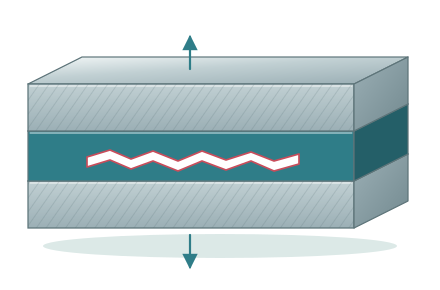
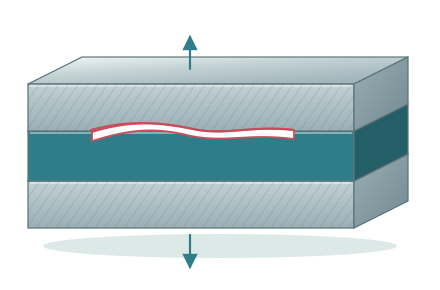
Where does the separation occur?

Schematic · not to scale

01Interface failure

Separation follows the boundary between the upper adherend and adhesive.

02Cohesive failure

The crack lies inside the adhesive; adhesive remains on both adherends.

Schematic principle, not to scale. The drawings explain the inspection task; performance must be validated on real components.

A practical technical start

Separate the observation from its cause.

Detecting an indication does not automatically explain why the bond failed.

Demonstrate separation
Record material build-up, interface position and access; evaluate candidate methods on samples.
Assess its extent
Define relevant size and location, and plan an independent reference test.
Investigate the cause
Add process history, preparation and loading; consider material and strength investigations.

What happens next

A clear next step for your inspection task.

  1. 01

    Describe the problem

    A short description is enough to begin. Add photos or requirements if available.

  2. 02

    Clarify the task

    CorDev clarifies open questions with you and identifies the support your task needs.

  3. 03

    Agree the next step

    We agree the involvement of suitable specialists with you. Testing or a pilot requires a separate agreement.

Your inspection task

What do you need to establish on your component?

Describe what you observe and what you want to achieve. You do not need to know the right technology yet.

Aaron Scalla
Aaron ScallaYour contact at CorDev

TopicAdhesive bond delamination

Initially free and non-binding. No account required.

Add files, timing or technical details
Add further requirements
Open the full technical request form ↗

Your request goes to CorDev first. We agree any transfer to suitable specialists with you. A request is not a paid order. Privacy

Security check

Enter the six digits shown in the image.

Loading security code…
* Required fields

Before you ask

Frequently asked questions.

Is separation always visible?

No. It may lie below an unremarkable surface. Detectability depends on the component and method.

Does the test identify the cause?

Not automatically. Process, material and mechanical investigations may be needed.

Do you need a defective sample?

An affected sample and a good comparison part help. Without them, we can first clarify the task and next steps.

Does submitting create a paid order?

No. Paid work requires a separate, express agreement.

Technical background